The True Cost Behind a Blue Fronted Amazon
- Bryan Legend
- Feb 19
- 6 min read

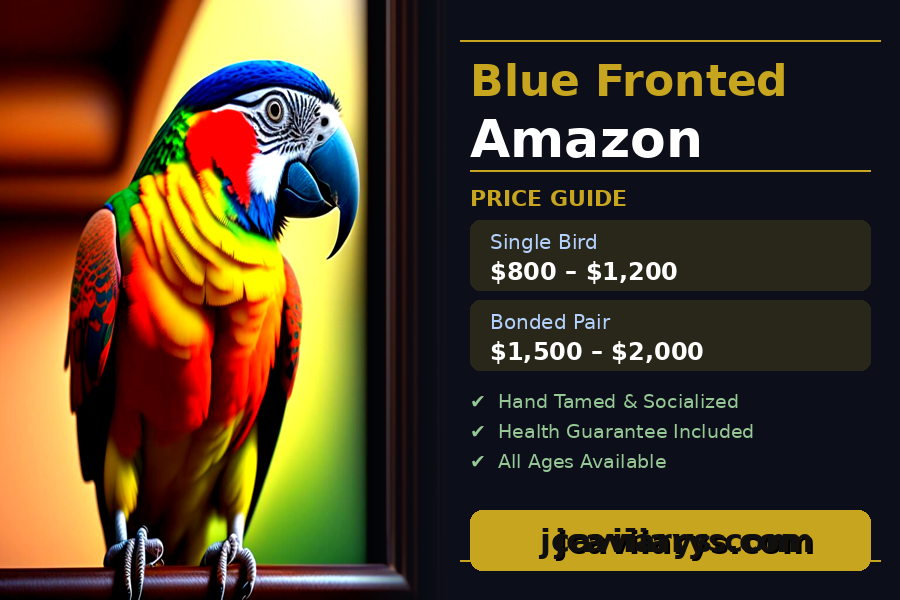
Bringing home a Blue Fronted Amazon feels like inviting a burst of rainforest color into your life. Their bright green feathers and bold blue crown make them stand out. Yet beauty is only part of the story. The real question many ask is about value and long-term cost.
When people search for blue fronted amazon price, they often expect a simple number. The truth is more complex. The price reflects breeding quality, age, training, and health. It also mirrors the bird’s personality and background.
A Blue Fronted Amazon is not a decoration. It is a thinking, feeling creature. It can live for decades. That long life means the initial cost is only the first chapter.
Why the Purchase Price Varies
The price can range widely based on the breeder. Reputable breeders invest in proper diet, space, and medical care. Their birds often cost more. That higher cost often means better early care.
Hand-fed babies tend to be more expensive. They bond well with humans. They are used to gentle touch and calm voices. This early social work adds to the blue fronted amazon price.
Location also affects cost. In areas with few breeders, prices rise. In regions with strong parrot communities, prices may be more balanced. Transport costs can also add to the total.
The Role of Age and Training
Young birds are usually in higher demand. People enjoy raising a parrot from a young age. A baby can adapt to new routines with ease. This demand increases the market value.
Older birds can cost less at first. Yet some come with training and a stable temperament. A trained adult that talks clearly may cost more than a young bird.
Training shapes value. A parrot that steps up on command and accepts handling feels safer to new owners. Time spent teaching these skills adds hidden value. It also reduces stress for the future owner.
Health Certifications and Veterinary Care
Health checks matter more than low prices. A bird with clear medical records gives peace of mind. Tests for common diseases protect both the bird and other pets. Responsible breeders provide these documents.
Initial vet visits are part of the real cost. A new owner should schedule a full check-up. This includes blood tests and a wellness exam. These steps protect your investment and the bird’s life.
Skipping medical care may save money today. It can cost more tomorrow. Illness in parrots can progress fast. Preventive care is always cheaper than emergency treatment.
Beyond the Sticker Price
The true cost of ownership stretches far beyond the first payment. A Blue Fronted Amazon can live forty years or more. That is a lifetime commitment. Planning ahead is wise and kind.
Food, toys, cages, and vet care become part of daily life. These costs repeat every month. They shape your budget in quiet ways. Ignoring them can lead to stress later.
When thinking about blue fronted amazon price, consider the full journey. The bird will depend on you for everything. That includes safety, nutrition, and mental health. Price should reflect readiness, not impulse.
Housing and Cage Investment
A large, strong cage is not optional. Blue Fronted Amazons are active and curious. They need space to climb and stretch. A quality cage can cost several hundred dollars or more.
Cheap cages may use weak bars or unsafe coatings. Parrots chew with strong beaks. Poor materials can break or cause harm. Investing in safety prevents accidents.
Placement of the cage also matters. The bird needs social contact but not constant chaos. A quiet corner of a living area works well. This balance keeps stress low.
Diet and Daily Nutrition
Food is a steady cost over time. These parrots thrive on pellets, fresh fruits, and vegetables. Seeds alone are not enough. A balanced diet supports bright feathers and strong immunity.
Fresh produce must be offered daily. That means regular grocery trips. It also means learning which foods are safe. Chocolate and avocado are dangerous and must be avoided.
Quality pellets cost more than seed mixes. Yet they reduce long-term health issues. Good nutrition lowers vet bills in the future. Food is an investment in years of life.
Toys and Mental Stimulation
Blue Fronted Amazons are smart. They need mental challenges to stay calm. Without toys, they may scream or chew furniture. Boredom can lead to stress and feather plucking.
Wooden toys, ropes, and puzzle feeders wear out fast. They must be replaced often. This ongoing expense is part of responsible care. Think of toys as emotional fuel.
Rotation of toys keeps interest high. Simple changes can prevent bad habits. Enrichment is not a luxury. It is a basic need for intelligent parrots.
Emotional Value and Long-Term Rewards
Owning a Blue Fronted Amazon is like tending a living flame. It glows brighter with attention. Ignore it, and it dims. The bond grows through time and trust.
These parrots can learn words and phrases. Their voices can be clear and loud. They often form deep bonds with one person. That connection feels personal and powerful.
The financial cost fades when trust builds. A parrot that greets you each morning adds joy. Its playful chatter fills a quiet home. The return on care is emotional wealth.
Social Needs and Time Commitment
Time is as important as money. Blue Fronted Amazons crave interaction. They do not thrive alone in a cage all day. Regular play and talk keep them balanced.
A busy schedule may not suit this bird. Long hours away can cause stress. Some owners hire pet sitters for extended trips. That adds to long-term cost.
Training sessions strengthen bonds. Even ten minutes daily makes a difference. Teaching simple commands builds trust. This time investment shapes behavior and happiness.
Noise and Household Impact
These parrots are not silent pets. They can be loud, especially in the morning. Their calls echo like forest signals. This is natural, not bad behavior.
Apartment living may create challenges. Neighbors might not appreciate loud calls. Considering your living space is part of smart planning. Noise is a real factor in ownership.
Family members must also agree. Not everyone enjoys constant chatter. Clear expectations prevent regret. Harmony in the home supports the bird’s well-being.
Lifespan and Future Planning
A Blue Fronted Amazon can outlive many pets. Some reach fifty years with good care. This means planning for the future. Owners must think long term.
Who will care for the bird if life changes? Moves, illness, or age can shift plans. Having a backup caregiver is wise. It protects the bird from sudden rehoming.
This long lifespan increases the real blue fronted amazon price. The bird may be with you for decades. Each year adds value and responsibility. Commitment must match that span.
Choosing the Right Source
Finding the right breeder or rescue matters deeply. Not all sellers follow ethical standards. Some focus only on profit. Careful research prevents heartbreak.
Visit the breeder if possible. Observe the birds’ environment. Clean cages and bright eyes show proper care. Trust your instincts during the visit.
Rescues are another option. Many parrots need second homes. Adoption fees are often lower than breeder prices. Yet these birds may require extra patience.
Questions to Ask Before Buying
Ask about diet and social habits. Learn how often the bird was handled. Request full health records. Clear answers build trust.
Inquire about weaning age. Birds taken too early may develop issues. Responsible breeders wait until the bird eats on its own. This patience supports strong growth.
Discuss return policies as well. Life can change unexpectedly. A good breeder cares about the bird’s future. They often accept returns rather than risk neglect.
Warning Signs to Avoid
Be cautious of prices that seem too low. A very cheap offer can signal poor care. Sick birds may appear healthy at first glance. Hidden issues surface later.
Avoid sellers who refuse visits. Transparency matters. If records are missing, walk away. Protecting yourself protects the bird.
Impulse buying leads to regret. Take time to think. Compare options carefully. A wise choice today saves pain tomorrow.
Financial Planning for Peace of Mind
Budgeting ahead makes ownership smoother. Set aside funds for emergencies. Parrots can face sudden health issues. Quick action often saves lives.
Monthly expenses should be realistic. Food, toys, and cleaning supplies add up. Writing them down clarifies the picture. Clear numbers reduce stress.
Insurance for exotic pets is available in some areas. It may cover part of medical costs. Research options in your region. Planning brings calm confidence.
Building a Long-Term Care Fund
A small monthly savings plan helps greatly. Even modest deposits grow over time. This fund can cover unexpected vet visits. It acts as a safety net.
Think of it as love in financial form. Preparing ahead shows deep care. It protects the bird from delays in treatment. Peace of mind is priceless.
Responsible ownership blends heart and logic. Emotion alone is not enough. Practical steps support lasting happiness. Balance keeps both bird and owner secure.
Final Thoughts on Value and Responsibility
The question of blue fronted amazon price is not just about dollars. It is about readiness and respect. This parrot offers beauty, voice, and loyalty. In return, it asks for care and commitment.
Owning one is like planting a long-living tree. It grows slowly and becomes part of your world. With proper care, it rewards you daily. Its presence becomes woven into your life.



Comments